Relax and Recharge at
Bossington Hall
The Luxury (award winning) Bed and Breakfast in Exmoor.
Images by Shaun Davey via Exmoor Commons
Discover the Area
Exmoor National Park — on your doorstep Bossington Hall sits within Exmoor National Park, one of the least visited and most rewarding national parks in England. The landscape here is unusually varied — open moorland, ancient oak woodland, dramatic sea cliffs and sheltered valleys all within a few miles of each other. It is genuinely possible to walk from your bedroom door to a deserted beach, a 1,000-year-old castle, or the highest point in Somerset, without getting in a car. The nearest village, Porlock, is a gentle one-mile walk downhill. The South West Coast Path passes 0.5 miles from the Hall, accessed via Bossington village.
Walking
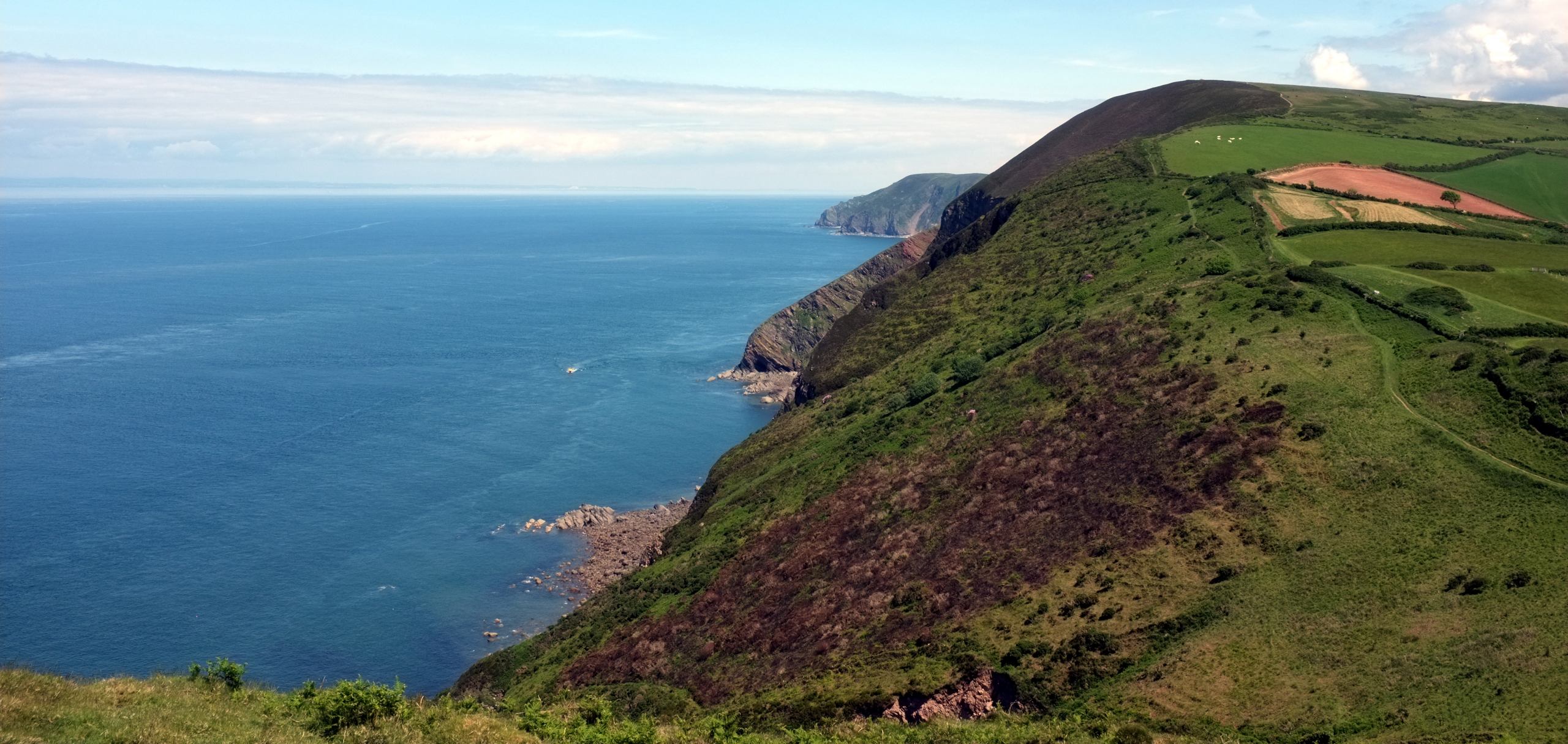
Exmoor is one of the finest walking destinations in the British Isles, and Bossington Hall is exceptionally well placed within it. The South West Coast Path runs along the clifftops above Porlock Bay, with some of the most dramatic coastal scenery in the country in either direction.
Bossington Beach and the Marsh (1.5 miles each way) A flat, easy walk through the orchard village of Bossington to the shingle beach and the flooded sea marsh behind it. On a high tide, the marsh fills with seawater creating a spectacular mirror effect around a solitary dead oak — a favourite of local photographers. No map needed.
Porlock Weir (3 miles via the coast path) Follow the SWCP west along the cliffs from Bossington Beach to the ancient harbour at Porlock Weir, a working fishing port with a pub, oyster bar and shingle beach. Return the same way or through the woods inland — a satisfying half-day loop.
Hurlstone Point (2 miles via the coast path east) Head east along the coast path for one of the finest viewpoints on the Bristol Channel. On clear days Wales is visible across the water. The path climbs steeply but is well-made and the views from the top are exceptional.
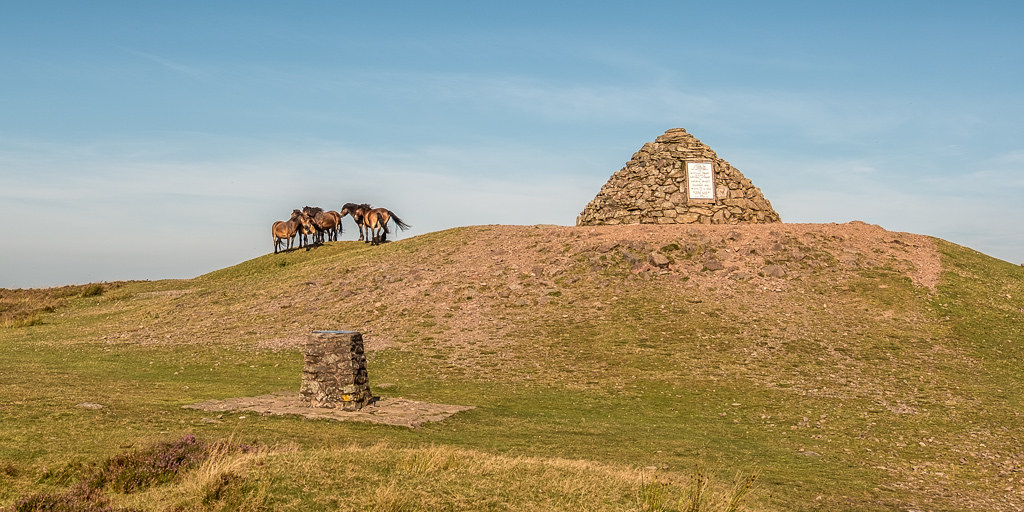
Dunkery Beacon (by car, 20 minutes) At 519 metres, Dunkery Beacon is the highest point in Somerset and the highest point on Exmoor. A short but rewarding walk from the Dunkery Gate car park brings you to the trig point, with 360-degree views across the moor, the coast and — on clear days — into Wales and Dartmoor. Exmoor ponies are frequently seen grazing here.
Horner Wood (by car, 10 minutes) One of the largest ancient oak woodlands in England, Horner is a National Trust site with a network of well-marked paths along the river valley. Particularly beautiful in autumn, and a reliable spot for red deer.
Valley of the Rocks (by car, 25 minutes) An extraordinary Ice Age formation near Lynton where a river was diverted almost overnight, leaving a dry valley of dramatic rock formations above the sea. Feral goats roam freely. Easy walking on good paths with spectacular views.
For detailed route maps and OS grid references, the South West Coast Path Association and Exmoor National Park both have excellent free resources.

Kayaking and Paddleboarding Exmoor Adventures, based in Porlock Weir, offer guided kayaking and paddleboard hire on the sheltered waters of Porlock Marsh — one of the most peaceful and unusual waterways in the South West. Suitable for complete beginners.
Ghost and History Walks — Extours Extours run guided evening walks around Dunster combining local history with folklore and ghost stories. Genuinely interesting rather than gimmicky, and a good choice for a first evening if you haven’t visited the area before.
Archery — Exmoor Adventures Tuition-led archery sessions near Porlock, suitable for all ages and abilities. A popular choice for groups and couples.
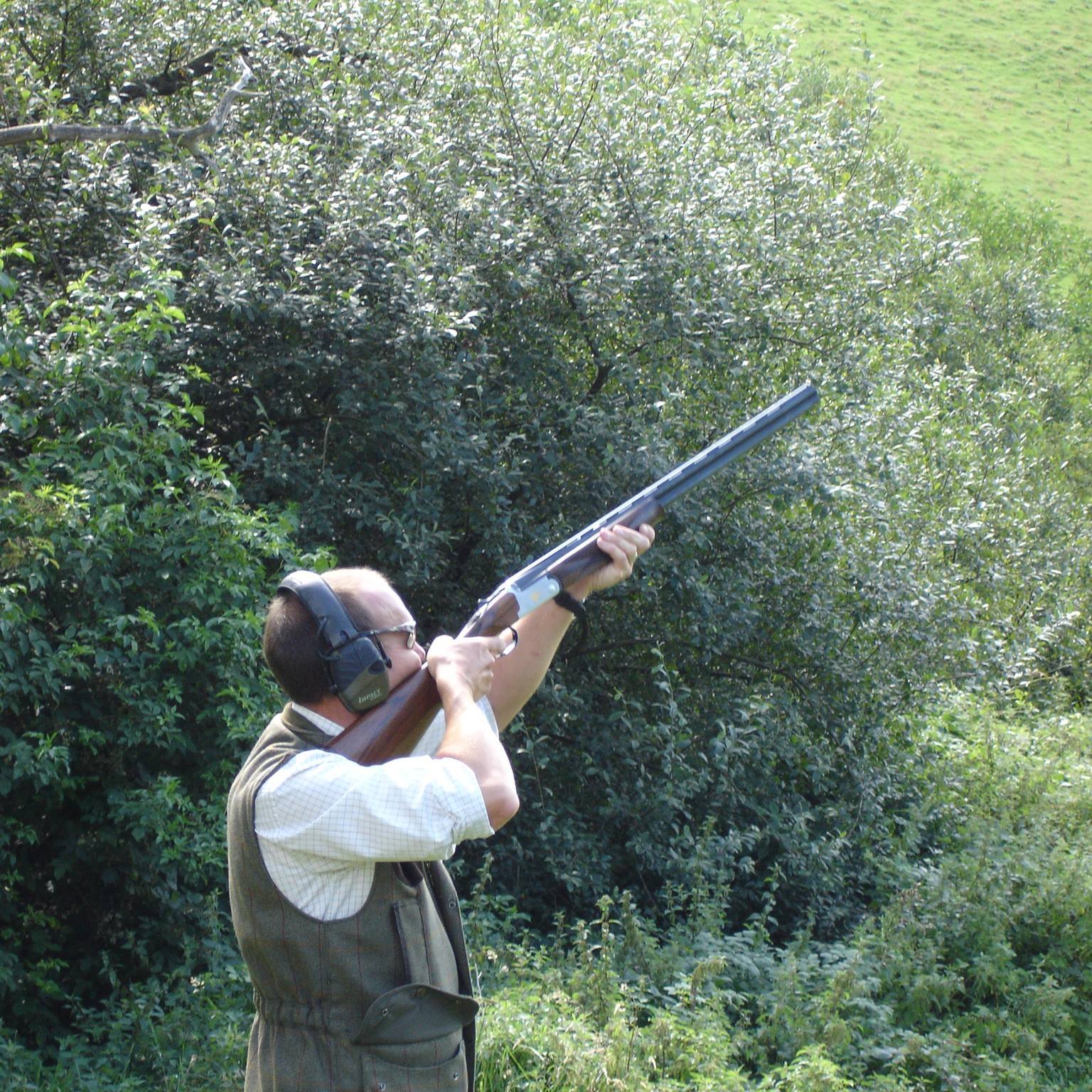
Clay Pigeon Shooting Roy Peacock is a local shotgun coach offering tuition and clay shooting sessions in the Exmoor countryside. Worth booking in advance.
Dunster Castle and Mill (15 minutes by car) A National Trust property with over 1,000 years of history, Dunster Castle sits above the perfectly preserved medieval village of Dunster on a wooded hill. The adjacent working watermill dates to the Domesday Book. A full day out in any weather.
Lynton and Lynmouth (25 minutes by car) Twin villages connected by a Victorian water-powered cliff railway. Lynmouth sits at the foot of two dramatic river gorges at sea level; Lynton perches above it on the clifftop. Good independent shops, cafes and coastal walks in both directions.
Minehead (20 minutes by car) The largest town in the area and the official start of the South West Coast Path. Good for provisioning, with a traditional seafront and a range of restaurants and cafes.
Exmoor in poor weather has its own particular appeal — low cloud on the moor, rivers in full flow, empty paths — but if you would prefer to be indoors, the area has more to offer than it first appears.
Dunster Castle is an excellent rainy day choice — the interiors are extensive and the NT café is good. Lynton and Lynmouth both reward slow exploration on foot under shelter. The Porlock Vale has several independent cafes and the Ship Inn in Porlock is a reliable refuge with good food.
For a longer drive, Taunton (45 minutes) has the Somerset County Museum, a good market and independent shopping. Exeter (one hour) has a cathedral, Roman remains, the Royal Albert Memorial Museum and a strong independent food and drink scene.
And of course, the Hall itself is somewhere you can genuinely spend a day doing very little. The library, the sauna, the honesty bar are there for exactly this purpose.
Exmoor is one of the best places in England to see red deer — the largest wild land mammal in the UK — particularly in autumn during the rut (October). Horner Wood and the open moorland around Dunkery are reliable spots. Exmoor ponies, a rare semi-feral breed, graze freely on the high moor and are often seen near Dunkery Beacon and on the road between Exford and Simonsbath.
The Hall’s garden is visited regularly by peregrine falcons — guests have reported seeing them gathering in the large pine tree most evenings. The bullfinch is a common sight in the hedgerows, along with buzzards, ravens and in summer, breeding pairs of wheatear on the coastal slopes.
The skies above Exmoor are among the darkest in England — it is an International Dark Sky Reserve — and on clear nights the stargazing from the grounds and the surrounding moorland is genuinely extraordinary.